**Foil & Fortune: The Pack-Rip Vault**
**Foil & Fortune: The Pack-Rip Vault**
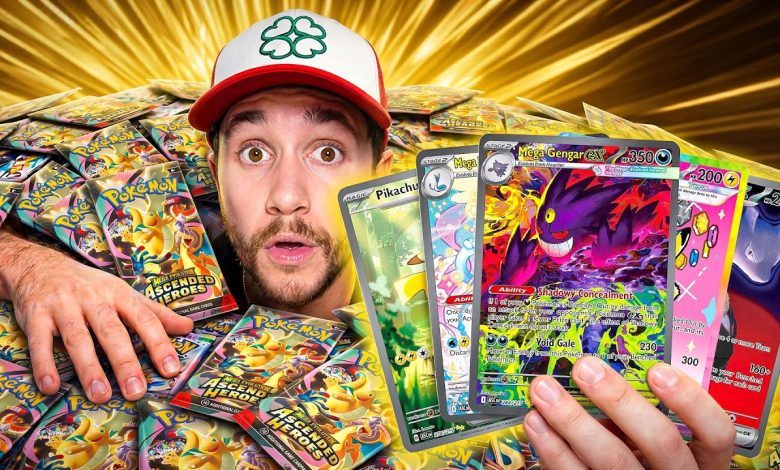
Every collector knows the small electric pause before a sealed edge gives way. The foil crinkles, the room leans in, and a trading card pack rips open possibility: a base card, a parallel, an autograph, or nothing but cardboard dust. That pause is why pack-ripping content has become its own corner of the hobby. It is part performance, part gambling, and part pure nostalgia.
Foil & Fortune: The Pack-Rip Vault
The best pack-rip sessions do not begin with a camera. They begin with a plan: a budget, a set list, and a place to keep the hits. Whether you are chasing a rookie patch or simply love the ritual of sorting commons, the vault mindset keeps the fun from turning into clutter. Serious rippers also use card ripping apps to track breaks, compare prices, and share pulls without losing receipts in a shoebox.
Why Trading Card Pack Rips Feel Like Treasure Hunts
A pack is a tiny suspense machine. The odds are printed, yet the outcome remains hidden. That combination of known risk and unknown reward is powerful. Trading card pack rips also create instant stories: the pack that yielded a numbered parallel, the box that produced nothing until the final pack, the rookie card pulled on a friend’s birthday. Those stories are why collectors return to sealed product even when singles are cheaper.
Collectors often rip for different reasons. Some chase a single grail card, while others want the slow pleasure of completing a set. A good session serves both: rip a few packs for the thrill, then trade duplicates toward the cards you actually need. That balance keeps the hobby social and prevents a stack of commons from becoming a guilt pile.
- They turn a purchase into an event with a beginning, middle, and reveal.
- They create shared moments for breaks, livestreams, and trade nights.
- They reward patience with set-building progress, not just jackpot dreams.
- They produce duplicates that can become trade bait or giveaway fodder.
The Vault Mindset: Sort, Store, and Story
After the foil settles, the real work starts. A pack-rip vault is not a locked room; it is a simple system. Keep hits in penny sleeves and top loaders. Store base cards by set and number. Log serial-numbered cards and autographs with photos, dates, and pack or box details. That record helps with insurance, resale, and nostalgia. It also stops a great pull from disappearing into a pile of unsorted cardboard.
- Set a rip budget before opening anything and treat it as entertainment spending.
- Sort immediately: hits, trades, set needs, and giveaways.
- Photograph serial-numbered cards and note the product and date.
- Store everything away from heat, dampness, and direct sunlight.
Reading a Rip: Signals in the Foil
Veteran rippers joke about “pack feel,” but there are practical signals worth noticing. A thicker pack can hint at a memorabilia card, though modern collation often defeats the trick. A pack that slides differently may contain a decoy or a bonus. None of this is guaranteed. The healthiest approach is to enjoy the ritual without pretending you can predict the hit. Trading card pack rips are more fun when surprise stays surprising.
Quick Checklist Before You Rip
- Check the product year, checklist, and odds before buying.
- Confirm whether you are opening for fun, set-building, or resale.
- Prepare sleeves, top loaders, and a clean sorting surface.
- Decide in advance what you will do with bulk commons.
- Keep water and snacks away from the cards.
FAQ: Trading Card Pack Rips
Are trading card pack rips worth the money?
Sometimes. If you value entertainment, set-building, and the thrill of the reveal, a budgeted rip can be worth it. If you need a guaranteed return, buy singles instead.
Should I open vintage packs?
Only with clear eyes. Sealed vintage can be valuable, and opening it destroys that value. Research prices, authentication, and grading before breaking an old pack.
How do I avoid overspending on pack rips?
Set a monthly limit, pay in cash when possible, and separate rip money from bill money. Treat every pack as entertainment, not an investment plan.
What should I do with bulk commons?
Donate them, use them for giveaways, build starter sets for new collectors, or recycle damaged cards. Keep only what you truly want to store.
Do trading card pack rips work for set builders?
Yes, with patience. Set builders can buy packs in moderation, trade duplicates, and buy singles to fill gaps. Ripping an entire case rarely makes financial sense; ripping a few packs keeps the hunt alive without turning set-building into a slot machine.
Final Foil Thoughts
The vault is not just a box of hits. It is a record of choices: which packs you opened, which risks you took, and which cards made you stop and stare. Keep the ritual joyful, keep the budget honest, and let the foil crinkle. The next trading card pack rips might not make you rich, but it can make a memorable evening.